The company's GT chief gave its celebrated naturally aspirated flat-six two years to live. Public records show Porsche spent those two years building a new race car around it, lobbying Brussels for a loophole, and telling investors that scarcity was the plan.
STUTTGART: On Oct. 29, 2024, the man in charge of Porsche's GT cars gave the engine two years to live.
Andreas Preuninger was launching the latest 911 GT3, the car built around a four-liter flat-six that spins to 9,000 revolutions per minute without a turbocharger. The engine, he told Autocar, could be sold "for another two years, but it depends on the markets." After that: "I don't think we can handle Euro 7 without electrification or without turbos."
Those two years expire this October.
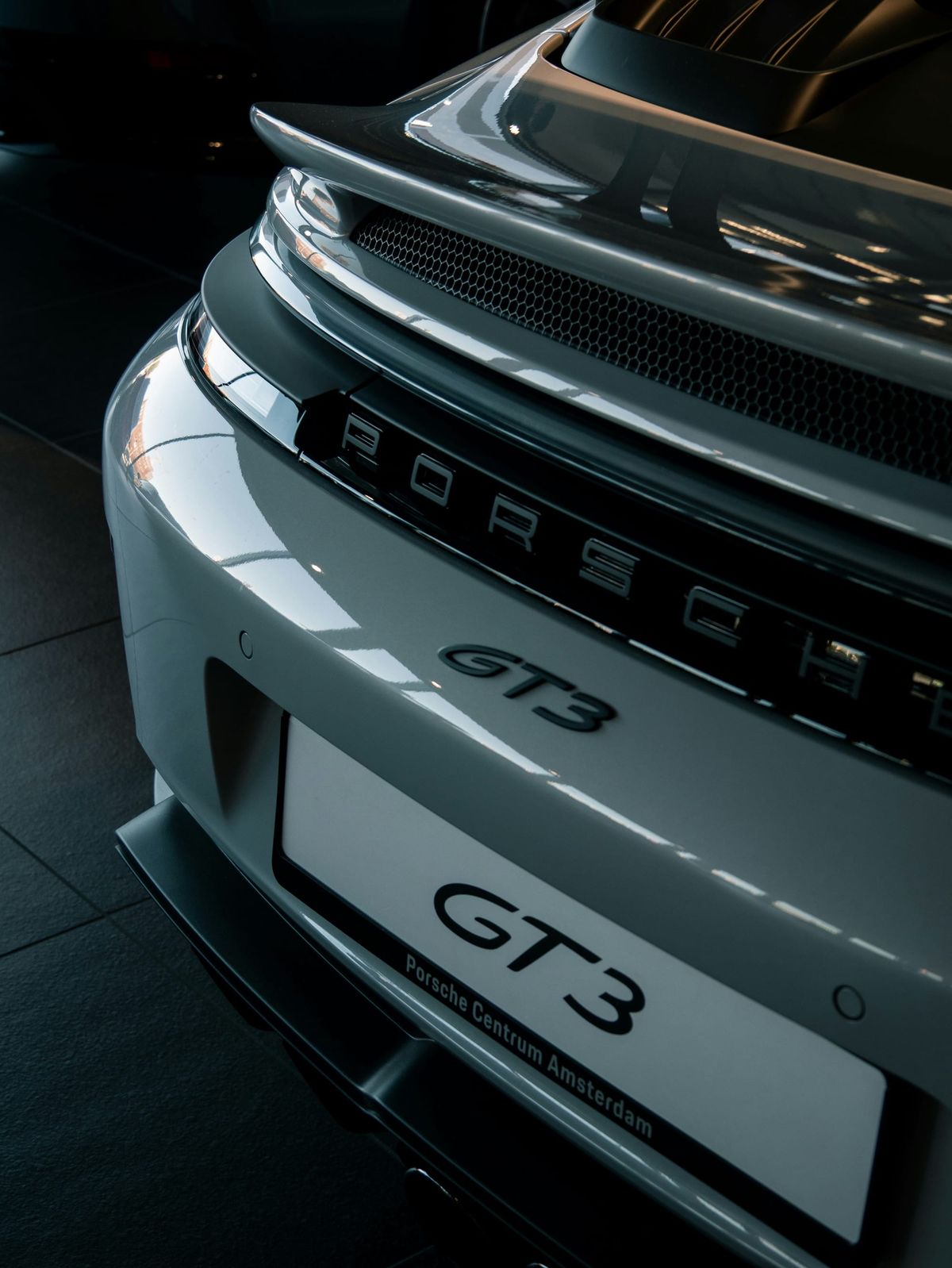
Meanwhile, several times a week, a 911 rolls off the assembly line at Porsche's Zuffenhausen plant that will never be registered anywhere. It is a Cup car, built for one-make racing, and it leaves the factory owing nothing to any emissions standard, noise regulation or fleet carbon target on earth. Its engine, Porsche's own materials say, "continues to be based on the power unit of the Porsche 911 GT3." A few stations down the same line, the road-going GT3 is assembled with what is, in all essentials, the same engine: the one buyers have been told is running out of time. A review of European legislative texts, government certification databases, the European Commission's lobbying disclosures, Porsche's own investor filings and United States customs manifests shows a company that behaved, at every turn, as if the engine had a long future, while its most visible executive described its imminent end.